Kids and physical activity: how much they need and how to limit screens
Physical Activity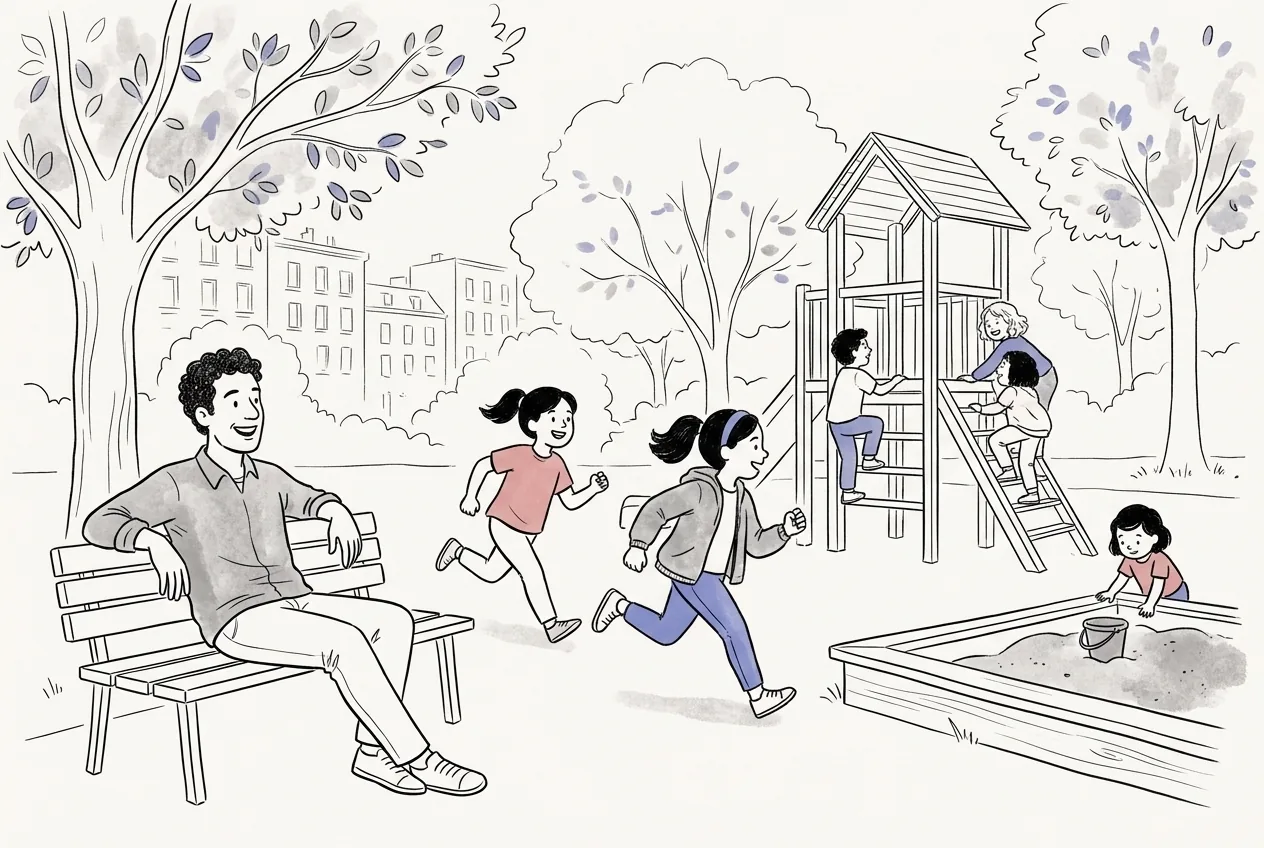
Key points
- At least 60 minutes of moderate-to-vigorous activity a day, on average.
- Vigorous activity and muscle- and bone-strengthening exercise 3 days a week.
- Limit sedentary time, especially recreational screen time.
- Some activity is better than none.
What the guidelines recommend
The Physical Activity Guidelines for Americans and the 2020 WHO guidelines agree. Children and adolescents aged 6 to 17 should get (Chaput et al., 2020):
- at least 60 minutes a day of moderate-to-vigorous activity, on average across the week, mostly aerobic;
- vigorous activity at least 3 days a week;
- muscle- and bone-strengthening activities such as climbing, jumping and running at least 3 days a week;
- less sedentary time, especially recreational screen time.
The CDC reports that only about a quarter of U.S. children and teens meet the daily 60-minute target.
Why it matters
Active children have better heart and lung fitness, stronger muscles and bones, better sleep and concentration and fewer symptoms of depression. A systematic review of problematic smartphone use in children and young people linked it to higher rates of depression, anxiety and poor sleep (Sohn et al., 2019).
Ideas for families
- Walk or bike to school where it is safe.
- Plan an active weekend outing: a hike, a playground, a bike ride.
- Sign up for a sport or dance class your child chooses.
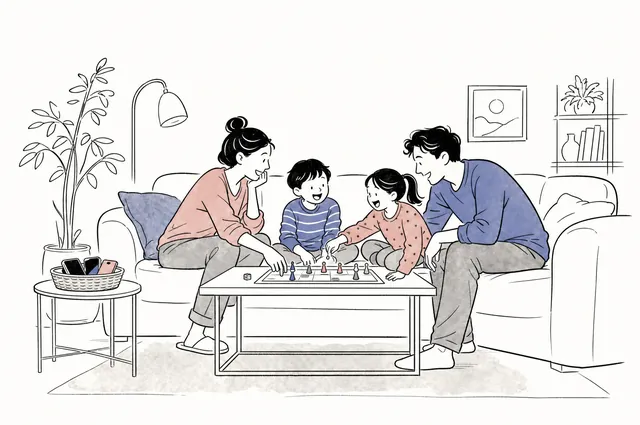
- Set screen-free zones and times: the dinner table, the hour before bed, bedrooms at night.
- Family meals together are linked to better nutrition in children (Hammons & Fiese, 2011).
Be a role model
Children copy adults. If parents move, go outside and put their phones away, children are more likely to do the same.
Frequently asked questions
How much screen time is OK?
The American Academy of Pediatrics recommends a family media plan rather than one fixed number for school-age kids, with screens kept out of bedrooms at night and away from meals, homework and physical activity.
Does recess or walking to school count?
Yes. All moderate and vigorous activity counts, including active play, recess, sports and walking or biking to school.
Sources
- Chaput et al. (2020). 2020 WHO guidelines on physical activity and sedentary behaviour for children and adolescents aged 5–17 years: summary of the evidence. International Journal of Behavioral Nutrition and Physical Activity 17(1). doi:10.1186/s12966-020-01037-z
- Sohn et al. (2019). Prevalence of problematic smartphone usage and associated mental health outcomes amongst children and young people: a systematic review, meta-analysis and GRADE of the evidence. BMC Psychiatry 19(1). doi:10.1186/s12888-019-2350-x
- Hammons et al. (2011). Is Frequency of Shared Family Meals Related to the Nutritional Health of Children and Adolescents?. Pediatrics 127(6):e1565-e1574. doi:10.1542/peds.2010-1440
Keep reading
 Physical Activity
Exercise during pregnancy: safe and beneficial
How much physical activity is recommended during pregnancy, how it lowers the risk of gestational diabetes and preeclampsia, and how to stay active safely.
Physical ActivityGrip strength: a simple marker of health
What the PURE study of nearly 140,000 people found about grip strength and mortality, and how to build overall strength.
Physical ActivityExercise and type 2 diabetes: prevention and control
How the U.S. Diabetes Prevention Program cut diabetes risk by 58%, what the American Diabetes Association recommends and practical steps to get started.
Related topics from other pillars
 Social Connection
Family meals: why eating together matters for health
What meta-analyses show about family meals, children’s weight, healthy eating and disordered eating, and how to make shared meals happen.
 Risky Substances
Smartphones and social media: when a habit becomes an addiction
How common problematic smartphone use is, how it is linked to anxiety, depression and sleep, and what experiments found when people limited social media.
Risky SubstancesGambling and sports betting: when play becomes addiction
What the Lancet Public Health Commission on gambling found, why online casinos and sports betting apps are especially risky and where to get help in the U.S.
Physical Activity tools
IPAQ: International Physical Activity Questionnaire (short)
Calculates your MET-minutes per week and your activity level.
QuizDo you meet the Physical Activity Guidelines? Check
Minutes of moderate and vigorous activity per week, plus strength training.
Quiz30-second chair stand test (for adults 60+)
How many times can you stand up from a chair in 30 seconds? Compared with CDC norms.
PDF · TrackerMonthly step tracker
Write down your daily steps and track your progress.
PDF · Log15-minute home strength workout + training log
A no-equipment routine with an 8-week rep log.
PDF · Card + trackerBalance exercises for adults 60+
A safe balance and leg-strength routine with a 4-week tracker.