How to start exercising if you have not moved in a long time
Physical Activity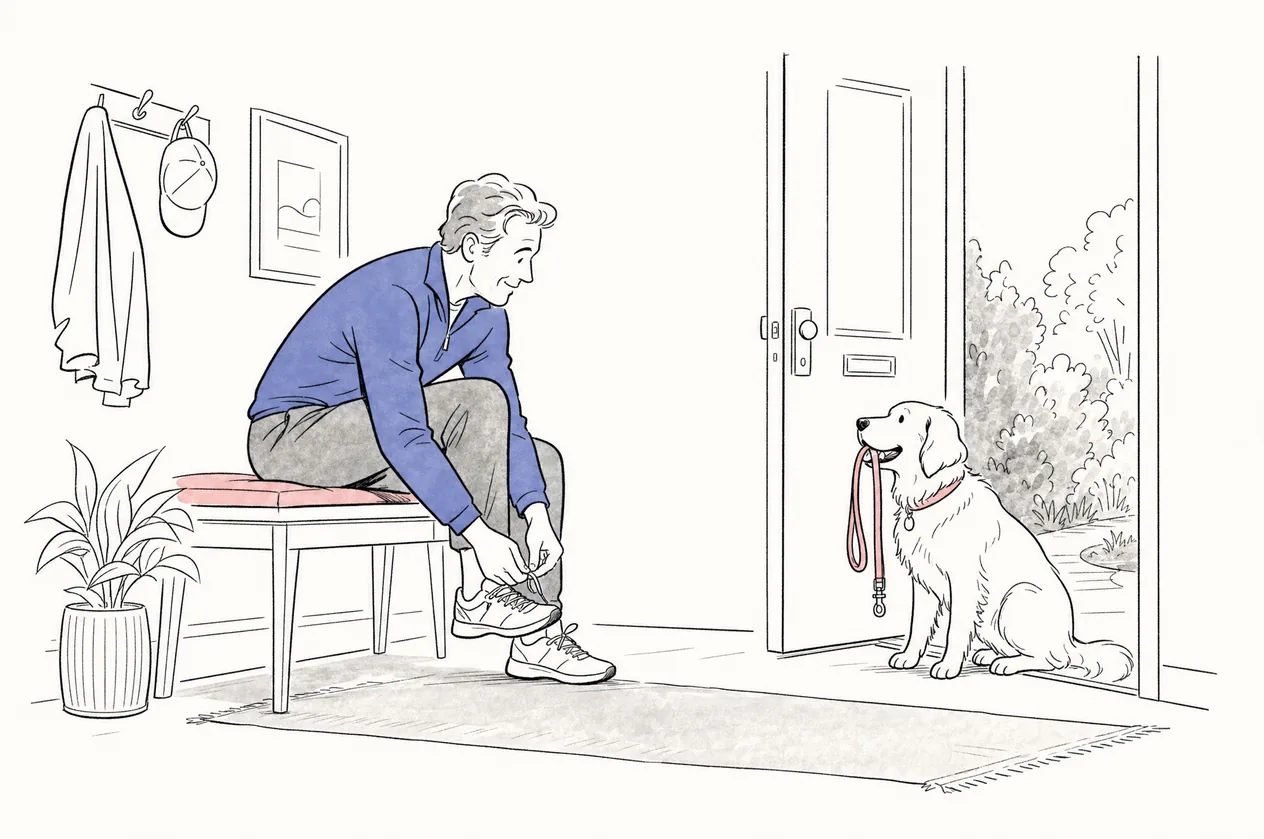
Key points
- Even less than the recommended 150 minutes a week is linked to about 20% lower mortality.
- Meeting the minimum guidelines is linked to 31% lower mortality.
- The largest gain comes at the start, when people begin to move.
- Consistency and gradual progress matter more than intensity.
The big news: every bit of movement counts
The Physical Activity Guidelines for Americans stress that people who are inactive gain the most from becoming a little more active (Piercy et al., 2018).
What the research shows
Pooling six U.S. and European cohorts with more than 661,000 adults, researchers found that people who did some activity but less than the recommended minimum had about a 20% lower risk of death than inactive people. Meeting the minimum of 150 minutes a week lowered risk by 31%, and benefits continued up to about 3 to 5 times the minimum (Arem et al., 2015).
A review of the health benefits of physical activity concluded that the steepest drop in risk happens at the lowest activity levels, and that even small amounts bring meaningful benefits (Warburton & Bredin, 2017).
A 4-week plan
| Week | Plan |
|---|---|
| 1 | 10 minutes of walking a day |
| 2 | 15 minutes a day, plus 1 short strength session |
| 3 | 20 minutes a day, 2 strength sessions |
| 4 | 20–30 minutes a day, partly brisk; 2 strength sessions |
How to stick with it
- Schedule activity like an appointment.
- Start so easy it feels almost too easy.
- Track your days on a calendar or app.
- Find a buddy or join a group.
- If you miss a day, simply restart the next day.
Frequently asked questions
What is the easiest way to start?
Walking. Start with 10 minutes a day at a comfortable pace and add 5 minutes each week.
How do I stay motivated?
Pick something you enjoy, schedule it, track your progress and find a partner.
Sources
- Arem et al. (2015). Leisure Time Physical Activity and Mortality. JAMA Internal Medicine 175(6):959. doi:10.1001/jamainternmed.2015.0533
- Warburton et al. (2017). Health benefits of physical activity. Current Opinion in Cardiology 32(5):541-556. doi:10.1097/HCO.0000000000000437
- Piercy et al. (2018). The Physical Activity Guidelines for Americans. JAMA 320(19):2020. doi:10.1001/jama.2018.14854
Keep reading
 Physical Activity
Exercise and mood: how physical activity helps with depression and anxiety
What reviews of meta-analyses show about exercise for depression, anxiety and distress, which types of exercise work best and how to start when you have no energy.
Physical Activity · Myth or factMyth or fact: exercise only counts if you work out for an hour
Is a short workout a waste of time? What studies with objective activity tracking show and why the guidelines dropped the 10-minute minimum.
 Physical Activity
Exercise after 60: strength, balance and fall prevention
Why strength and balance matter most after 60, what a Cochrane review found about exercise and falls and a safe home routine to get started.
Physical Activity tools
IPAQ: International Physical Activity Questionnaire (short)
Calculates your MET-minutes per week and your activity level.
QuizDo you meet the Physical Activity Guidelines? Check
Minutes of moderate and vigorous activity per week, plus strength training.
Quiz30-second chair stand test (for adults 60+)
How many times can you stand up from a chair in 30 seconds? Compared with CDC norms.
PDF · TrackerMonthly step tracker
Write down your daily steps and track your progress.
PDF · Log15-minute home strength workout + training log
A no-equipment routine with an 8-week rep log.
PDF · Card + trackerBalance exercises for adults 60+
A safe balance and leg-strength routine with a 4-week tracker.