Low back pain: why staying active beats bed rest
Physical Activity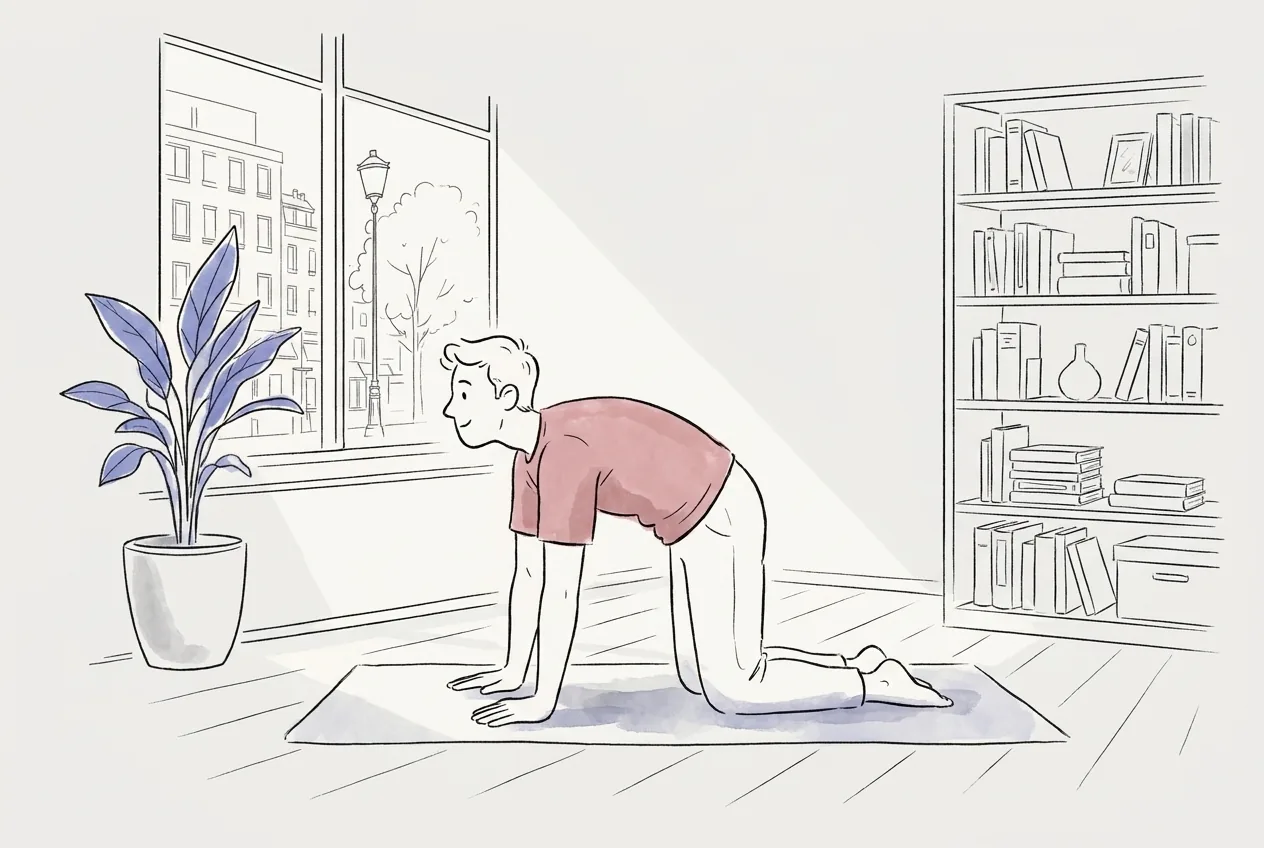
Key points
- Most low back pain is nonspecific and improves on its own within a few weeks.
- First line: reassurance, staying active and exercise.
- Cochrane: exercise probably reduces pain in chronic low back pain.
- X-rays and MRIs are usually not needed without red flags.
The leading cause of disability
Low back pain is one of the most common reasons Americans see a doctor and a leading cause of disability worldwide. In most cases no specific cause can be found; it is called nonspecific low back pain.
What guidelines recommend
A Lancet series on low back pain concluded that international guidelines agree: first-line care is education and reassurance, staying active and returning to normal activities, with exercise for persistent pain. Bed rest, routine imaging, opioids and surgery are overused and often not helpful (Foster et al., 2018). The American College of Physicians recommends nondrug therapies such as exercise, yoga, tai chi and spinal manipulation as first-line options.
How much exercise helps
A Cochrane review of 249 trials found moderate-certainty evidence that exercise therapy reduces pain in chronic low back pain compared with no treatment, usual care or placebo (Hayden et al., 2021). A Cochrane review of yoga found low- to moderate-certainty evidence of small improvements in pain and function (Wieland et al., 2022).
What to do
- Keep moving within your comfort: walking is a good start.
- Avoid long periods of bed rest.
- Use heat for short-term relief.
- Gradually return to work and normal activities.
- Try a structured program: physical therapy, Pilates, yoga or core strengthening.
Frequently asked questions
Should I get an MRI for back pain?
Usually not in the first weeks unless there are warning signs. The American College of Physicians advises against routine imaging for nonspecific low back pain.
Are opioids helpful for back pain?
For most people, no. U.S. guidelines recommend nondrug treatments first; opioids carry risks of dependence and overdose.
Sources
- Foster et al. (2018). Prevention and treatment of low back pain: evidence, challenges, and promising directions. The Lancet 391(10137):2368-2383. doi:10.1016/S0140-6736(18)30489-6
- Hayden et al. (2021). Exercise therapy for chronic low back pain. Cochrane Database of Systematic Reviews 2021(10). doi:10.1002/14651858.CD009790.pub2
- Wieland et al. (2022). Yoga for chronic non-specific low back pain. Cochrane Database of Systematic Reviews 2022(11). doi:10.1002/14651858.CD010671.pub3
Keep reading
 Physical Activity
Stretching: benefits, myths and how to do it right
Does stretching prevent injuries? What a systematic review found about static stretching, performance and injury risk, and how to warm up properly.
 Physical Activity
Yoga: what is proven for mood and back pain
What meta-analyses and Cochrane reviews show about yoga for depression and chronic low back pain, why it may work and how to get started.
Physical ActivityShort, intense workouts: HIIT and "exercise snacks"
What meta-analyses show about HIIT and fitness, and why even 1- to 2-minute bursts of vigorous activity during the day are linked to lower mortality.
Related topics from other pillars
Over-the-counter painkillers: the risks of ibuprofen, naproxen and other NSAIDs
How common over-the-counter NSAIDs are linked to heart attack risk within the first week, other side effects and how to use pain relievers more safely.
Risky SubstancesOpioid painkillers: the risks of addiction and overdose
Why prescription opioids carry high risks of addiction and overdose, how they relate to heroin and fentanyl use, and how naloxone saves lives.
Physical Activity tools
IPAQ: International Physical Activity Questionnaire (short)
Calculates your MET-minutes per week and your activity level.
QuizDo you meet the Physical Activity Guidelines? Check
Minutes of moderate and vigorous activity per week, plus strength training.
Quiz30-second chair stand test (for adults 60+)
How many times can you stand up from a chair in 30 seconds? Compared with CDC norms.
PDF · TrackerMonthly step tracker
Write down your daily steps and track your progress.
PDF · Log15-minute home strength workout + training log
A no-equipment routine with an 8-week rep log.
PDF · Card + trackerBalance exercises for adults 60+
A safe balance and leg-strength routine with a 4-week tracker.